What is a Personal Loan? (Meaning, Features & How It Works)
What is a Personal Loan? – Simple Definition
A personal loan is a type of unsecured loan that allows you to borrow money from a bank, NBFC, or lender without giving any collateral. This means you don’t have to pledge anything like property, gold, or assets to get the loan.
You receive a fixed loan amount upfront and repay it through monthly EMIs over a chosen tenure, usually between 6 months to 5 years.
People usually take personal loans for emergencies, travel, weddings, medical expenses, education, home repairs, or debt consolidation—basically for any personal financial need.
Because it’s unsecured, lenders approve the loan based on your income, credit score, employment history, and repayment capacity.
Simple Meaning
A personal loan is money you borrow today and repay later in monthly installments, without needing any security. It gives you instant financial support with minimal paperwork.
How Does a Personal Loan Work?

A personal loan works in a simple and structured way. Once you apply and your loan is approved, the lender transfers the amount directly to your bank account. You then repay this borrowed amount through fixed monthly EMIs over a selected tenure.
Here’s a clear, step-by-step breakdown of how a personal loan works:
1. You Apply Online or Offline
You choose a bank or lender and submit your loan application. Many lenders today offer instant personal loans online, making the process very quick.
2. Lender Checks Your Eligibility
Approval depends on:
Your income
Your CIBIL score
Employment stability
Existing EMIs
City of residence
Relationship with the bank
The stronger your profile, the higher your chances of getting quick approval.
3. Document Verification
You submit basic documents like PAN, Aadhaar, salary slips, bank statements, etc. (we’ll cover this in detail later).
4. Loan Approval & Offer
If you qualify, the lender provides a loan offer with:
Interest rate
Loan amount
Tenure
Processing fee and charges
You can accept or negotiate depending on your needs.
5. Amount Is Disbursed
Once you accept the offer, the loan amount is deposited into your bank account. Digital lenders often disburse within minutes to a few hours.
6. You Repay via Monthly EMIs
The repayment includes:
Principal amount
Interest
EMIs remain the same throughout the tenure, which makes planning easier.
7. Loan Closure
After your final EMI, the loan is considered closed, and you can request a loan closure certificate for your records.
In short:
A personal loan gives you quick access to funds, and you repay it over time through fixed EMIs. Everything—from application to disbursal—can be completed online with minimal effort.
Types of Personal Loans in India
Personal loans come in different forms depending on your financial needs. Even though most people think a personal loan is a single product, lenders actually offer several different types of personal loans to suit various purposes. Understanding these helps you choose the right loan with better approval chances.
Below are the most common types of personal loans in India:
Unsecured Personal Loan
This is the standard and most popular type. It does not require any collateral, and lenders approve it mainly based on your income and credit score.
Ideal for: Emergency expenses, medical bills, travel, home repairs, or any personal use.
Wedding Loan
Weddings can be expensive, and many people opt for a personal loan to manage costs like venue, catering, and décor.
These loans help avoid financial stress during marriage planning.
Instant Personal Loan / Digital Loan
These loans are popular because of their quick approval and instant disbursal, often within minutes.
They require minimal documentation and are helpful during urgent situations like medical emergencies or last-minute travel.
Medical Emergency Loan
A dedicated loan designed for urgent medical treatments, surgeries, or hospital bills.
They usually offer quick processing and sometimes lower interest rates.
Secured Personal Loan
In this type, you pledge an asset—such as fixed deposits, securities, or insurance policies—as security.
Benefits:
Lower interest rates
Higher approval chances
Useful for people with low credit scores who want quick approval.
Business Personal Loan
These loans are offered to self-employed individuals or small business owners.
They help with:
Cash flow needs
Expansion
Purchasing equipment
Unlike business loans, these require less paperwork and have faster approval.
Travel Loan
This type covers expenses like flights, hotels, tours, and international trips.
Many lenders now offer travel-specific personal loans with flexible EMI options.
Education or Skill Development Loan
Ideal for short-term courses, certifications, career upskilling, or foreign study expenses not covered by traditional education loans.
Debt Consolidation Loan
If you have multiple credit card dues or loans, this option allows you to combine them into one single loan with a fixed EMI.
It simplifies repayment and can reduce your overall interest.
Personal loans come in many forms, and choosing the right type depends on your financial goal—whether it’s travel, medical expenses, business needs, or consolidating debt. Understanding these different types of personal loans ensures you get the best offer with minimum hassle.
Benefits of a Personal Loan
A personal loan offers several advantages, which is why it’s one of the most popular borrowing options in India. Whether you need funds for an emergency or for planned expenses, a personal loan provides quick access to money with minimal hassle.
Here are the key benefits of a personal loan:
1. No Collateral Required: Most personal loans are unsecured, meaning you don’t need to pledge any asset like property, gold, or fixed deposits. This makes the process faster and stress-free.
2. Quick Approval and Instant Disbursal: Digital lenders and banks now offer instant personal loans online, where approval happens in minutes and funds are transferred within hours. Perfect for urgent needs like medical emergencies or last-minute travel.
3. Flexible Usage: Unlike home loans or car loans, a personal loan can be used for any financial purpose, such as:
Medical treatment
Wedding expenses
Travel
Home renovation
Education
Debt consolidation
There are no restrictions on how you spend the money.
4. Simple Documentation: You only need basic documents like PAN, Aadhaar, bank statements, and salary slips. This keeps the process smooth and hassle-free.
5. Fixed Monthly EMIs: Repayments are made through fixed EMIs, which means your monthly payment stays the same throughout the tenure. This helps in easy budgeting and financial planning.
6. Flexible Tenure Options: You can choose a repayment period ranging from 6 months to 5 years depending on your comfort. Shorter tenure = higher EMI but lower interest
Longer tenure = lower EMI but higher interest
7. Improves Your Credit Score (If Repaid on Time): Consistently paying EMIs on time helps build your CIBIL score, making it easier to get loans or credit cards in the future.
8. Can Be Used for Debt Consolidation: If you have multiple loans or credit card dues, you can combine them into one single personal loan. This reduces stress, simplifies payments, and can lower your overall interest burden.
Summary:
Personal loans are fast, flexible, and easy to get, making them a reliable financial tool for emergencies or planned expenses. Their simplicity, minimal paperwork, and instant approval options make them a preferred choice for many borrowers.
How to Get an Instant Personal Loan Online
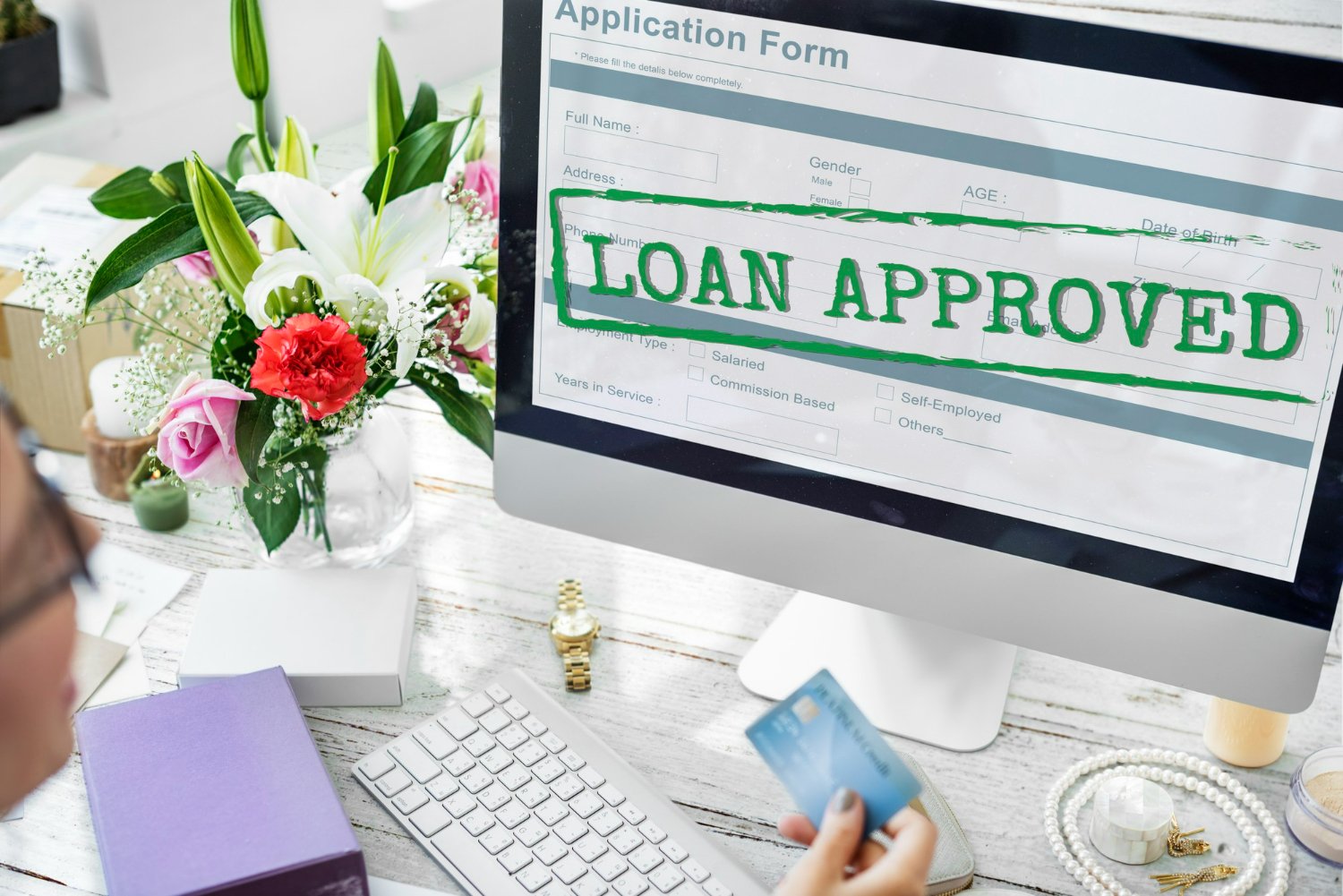
Getting an instant personal loan online has become extremely convenient, but choosing the right lender and understanding each step can still feel overwhelming—especially with so many apps, banks, and digital lenders offering different terms. Here’s a simple, clear process to help you apply confidently:
Check Your Eligibility Online
Most lenders first ask for your age, income, employment type, and credit score to decide whether you qualify.Compare Interest Rates & Loan Offers
Rates can vary significantly between lenders, so comparing is crucial before applying.Choose Your Loan Amount & Tenure
Pick an EMI that fits your budget without causing monthly financial pressure.Complete e-KYC and Upload Documents
Typically includes PAN, Aadhaar, salary slips or bank statements.Get Approval & Instant Disbursal
If your profile is strong, many lenders approve within minutes and credit the loan amount directly into your bank account.
Where Money Matter Makes the Process Much Easier
While the online process seems straightforward, the real challenge is figuring out which lender is the best for YOUR profile — because interest rates, approval chances, and documentation requirements differ for everyone.
This is where Money Matter helps you the most.
With Money Matter, you can:
Compare multiple lenders instantly
See which bank or NBFC is most likely to approve your loan
Check interest rates, EMIs, and hidden charges in one place
Avoid applying blindly and getting rejected (which hurts your credit score)
Get guidance on improving approval chances
Instead of jumping between apps and bank websites, Money Matter brings everything into one simple dashboard, helping you make the right choice in minutes.
Documents Required for a Personal Loan
One of the biggest advantages of a personal loan is that it requires very minimal documentation. Whether you apply online or offline, lenders typically ask for only a few basic proofs to verify your identity, income, and address.
Here’s a complete list of what documents are required for a personal loan:
1. Identity Proof (Any one of the following):
PAN Card (mandatory for most lenders)
Aadhaar Card
Passport
Voter ID
Driving Licence
Identity proof is needed to verify your name, age, and identity.
2. Address Proof:
(You can submit any government-approved document such as:)
Aadhaar Card
Passport
Utility bills (electricity, water, gas)
Rent agreement
Driving license
Voter ID
This helps lenders confirm your current residential address.
3. Income Proof:
Income proof is one of the most important requirements because lenders check whether you can repay the EMI.
For Salaried Individuals:
Last 3–6 months’ salary slips
Last 3–6 months’ bank statements
Form 16 (in some cases)
For Self-Employed Individuals:
Last 6–12 months’ bank statements
ITR (Income Tax Returns) of previous 1–2 years
Business proof (GST certificate, registration documents)
4. Employment Proof:
Employee ID card (for salaried)
Offer letter or joining letter (optional)
Business registration documents for self-employed individuals
This helps lenders confirm your job stability.
5. Photographs:
Passport-size photographs (may not be required for fully digital applications)
Important Note:
Online personal loan apps and digital lenders often require fewer documents, especially if you complete e-KYC using Aadhaar. Some instant loan platforms only ask for PAN, Aadhaar, and a bank statement.
Summary:
The documents required for a personal loan are simple and easy to arrange. With just your PAN, Aadhaar, income proof, and bank statements, you can quickly complete the verification and get approved faster.
Eligibility Criteria for Personal Loans
Every lender has specific eligibility criteria for personal loans, and meeting these requirements is essential for quick approval. While the exact rules differ from bank to bank, here are the most common factors lenders evaluate:
Age Requirement: Usually between 21–60 years (salaried) or up to 65 years (self-employed).
Minimum Income: Typically ₹15,000–₹25,000 per month depending on the city and lender.
Employment Stability: At least 6–12 months in your current job, or 1–2 years of steady business income.
Credit Score: A CIBIL score of 700 or above is preferred; 750+ increases approval chances and helps secure a lower interest rate.
Debt-to-Income Ratio: Your total EMIs should ideally not exceed 40–50% of your monthly income.
Residential Stability: Staying at the same address for a longer time reflects financial stability.
These criteria may look simple, but most rejections happen because applicants don’t fully understand how lenders evaluate eligibility—or which bank is most suitable for their profile.
How Money Matter Helps With Eligibility
This is where Money Matter becomes incredibly useful. Instead of guessing whether you qualify, Money Matter helps you:
Compare eligibility criteria across different lenders
Understand which banks are more likely to approve your application
Check which loan amount you actually qualify for
Identify what may cause rejection and how to fix it
Avoid applying to the wrong lender and harming your credit score
By matching your profile with the right lenders, Money Matter saves you from trial-and-error applications and makes the entire process smoother and faster.
Personal Loan Interest Rates & Charges (Updated for 2025 -2026)
Personal loan interest rates in India generally range between 10% and 26% per annum, depending on factors like your credit score, income, employer type, and lender policies. Along with the interest rate, banks also apply several charges such as processing fees, prepayment charges, and late payment penalties — all of which affect the total cost of your loan.
Here’s a quick breakdown of the most common charges:
Interest Rate: ~10% to 26% p.a. depending on your profile
Processing Fee: 1%–4% of the loan amount
Prepayment/Foreclosure Charges: 2%–5% of outstanding principal
Part-payment Charges: 1%–3% depending on lender
Late Payment Penalty: Extra 2%–4% per month + fixed charges
Understanding these charges can be confusing because every lender has its own rules, and many borrowers end up paying more simply because they didn’t compare enough options.
How Money Matter Helps You Save on Personal Loan Costs
At Money Matter, we simplify this entire process by helping you compare interest rates, processing fees, and hidden charges across multiple lenders in one place. Instead of visiting bank websites or relying on incomplete information, you instantly see:
Which lender is offering the lowest interest rate for your profile
Total EMI and total repayment cost
Any charges that may apply later
Which banks approve faster
Which lenders suit your credit score and income bracket
This ensures you avoid overpaying and choose the loan that genuinely fits your budget.
How to Settle a Personal Loan
Settling a personal loan simply means closing it before the tenure ends. There are three common ways to do this, depending on your financial situation.
1. Foreclosure (Full Prepayment)
You repay the entire remaining loan amount in one go.
Helps you save on future interest
Lenders may charge a 2%–5% foreclosure fee depending on their policy
2. Part-Payment
You pay a portion of the outstanding loan to reduce your EMI or tenure.
Useful when you have extra funds
Charges usually range between 1%–3% of the part-payment amount
3. Loan Settlement (When You Cannot Repay)
If you’re financially unable to continue EMIs, lenders may offer a loan settlement, where you pay a negotiated lower amount.
However:
Your credit score will drop sharply (100+ points)
The loan is marked as “settled,” not “closed,” affecting future loan approvals
Should be used only as a last resort
The best method is foreclosure or part-payment if you have surplus funds. Loan settlement should be considered only when you genuinely cannot repay the loan.
Mistakes to Avoid When Taking a Personal Loan
A personal loan is easy to get, but making the wrong choices can lead to higher EMIs and long-term financial stress. Here are the most common mistakes you should avoid:
1. Borrowing More Than You Need
Taking a higher loan amount increases your EMI and total interest. Always borrow only what you truly require.
2. Ignoring the Interest Rate Type
Most personal loans are fixed-rate, but always confirm. A small difference in rate can make a big impact on your EMI.
3. Not Comparing Lenders
Each lender has different rates and fees. Comparing multiple offers helps you find the lowest interest rate and better terms.
4. Overlooking Hidden Charges
Processing fees, prepayment charges, and late payment penalties can add up. Always check the total cost of borrowing, not just the interest rate.
5. Applying with Multiple Lenders at Once
Every application triggers a hard inquiry, reducing your credit score. Apply only when you’re confident of getting approved.
6. Choosing an Unaffordable Tenure
Longer tenure = lower EMI but higher interest
Shorter tenure = higher EMI but faster repayment
Pick a tenure that fits your budget comfortably.
7. Ignoring Your Credit Score
A low credit score results in higher interest rates or rejection. Always check your CIBIL score before applying.
8. Not Reading the Loan Agreement
Many borrowers skip terms and conditions. Always read the agreement to understand charges, penalties, and repayment rules.
Summary:
Choosing the right loan amount, comparing lenders, and checking all charges can help you avoid costly mistakes and manage your personal loan effectively.
FAQs on Personal Loans
1. What is a personal loan?
A personal loan is an unsecured loan where you borrow money without giving any collateral. The bank transfers the amount to your account, and you repay it in fixed EMIs over a selected tenure. You can use the money for any personal expense.
2. How does a personal loan work?
Once you apply, the lender checks your income, credit score, and documents. If approved, the money is disbursed directly to your bank account. You then repay the loan through monthly EMIs that include both principal and interest.
3. What are the different types of personal loans?
Common types include unsecured loans, secured loans, instant digital loans, wedding loans, travel loans, medical emergency loans, business personal loans, and debt consolidation loans. Each loan is designed for a specific financial need.
4. How to get an instant personal loan online?
You can apply on a lender’s website or app, fill out a short form, upload basic documents like PAN and Aadhaar, and complete e-KYC. If you meet the eligibility criteria, the loan can be approved and credited within minutes.
5. What documents are required for a personal loan?
Most lenders ask for PAN, Aadhaar, salary slips or income proof, bank statements, and basic KYC details. Online lenders may require fewer documents if e-KYC is available.
6. What is the minimum credit score needed?
A credit score of 700 or above is generally required. A higher score (750+) gives you better interest rates and faster approval, as it shows reliable repayment behaviour.
7. How much personal loan can I get?
Your loan amount depends on your monthly income, credit score, and existing EMIs. Higher income and low debt increase your eligibility. Some lenders also offer pre-approved amounts to existing customers.
8. Can I get a personal loan without a salary slip?
It’s possible, but not common. Lenders may consider alternatives like bank statements, ITRs, or other income proofs. However, approval becomes stricter without salary slips.
9. How to settle a personal loan?
You can settle a loan by making a full prepayment (foreclosure), a part-payment, or negotiating a settlement amount if you cannot continue EMIs. Settlement should be a last resort as it significantly impacts your credit score.
10. How long does it take to get a personal loan?
Digital lenders offer instant approval and same-day disbursal. Banks may take anywhere from a few hours to 1–2 days, depending on verification requirements.
11. Can I prepay my personal loan?
Yes. You can close your loan early through foreclosure, but lenders may charge a fee between 2% and 5% of the outstanding amount. Prepayment helps reduce total interest.
12. Does taking a personal loan affect my credit score?
Yes. Timely EMIs help build your credit score, while missed or delayed payments can bring it down sharply. A good repayment history makes future loans easier to get.
13. How can Money Matter help me choose the right personal loan?
Money Matter simplifies the entire loan selection process by helping you compare interest rates, eligibility requirements, and charges from different lenders in one place. We break down complex terms into easy explanations and guide you toward the loan that best fits your income, credit score, and financial goals. This saves you time, avoids confusion, and helps you make a confident borrowing decision.
Need Expert Guidance